
The Role of Sound Design in Modern Video Production
Intro:
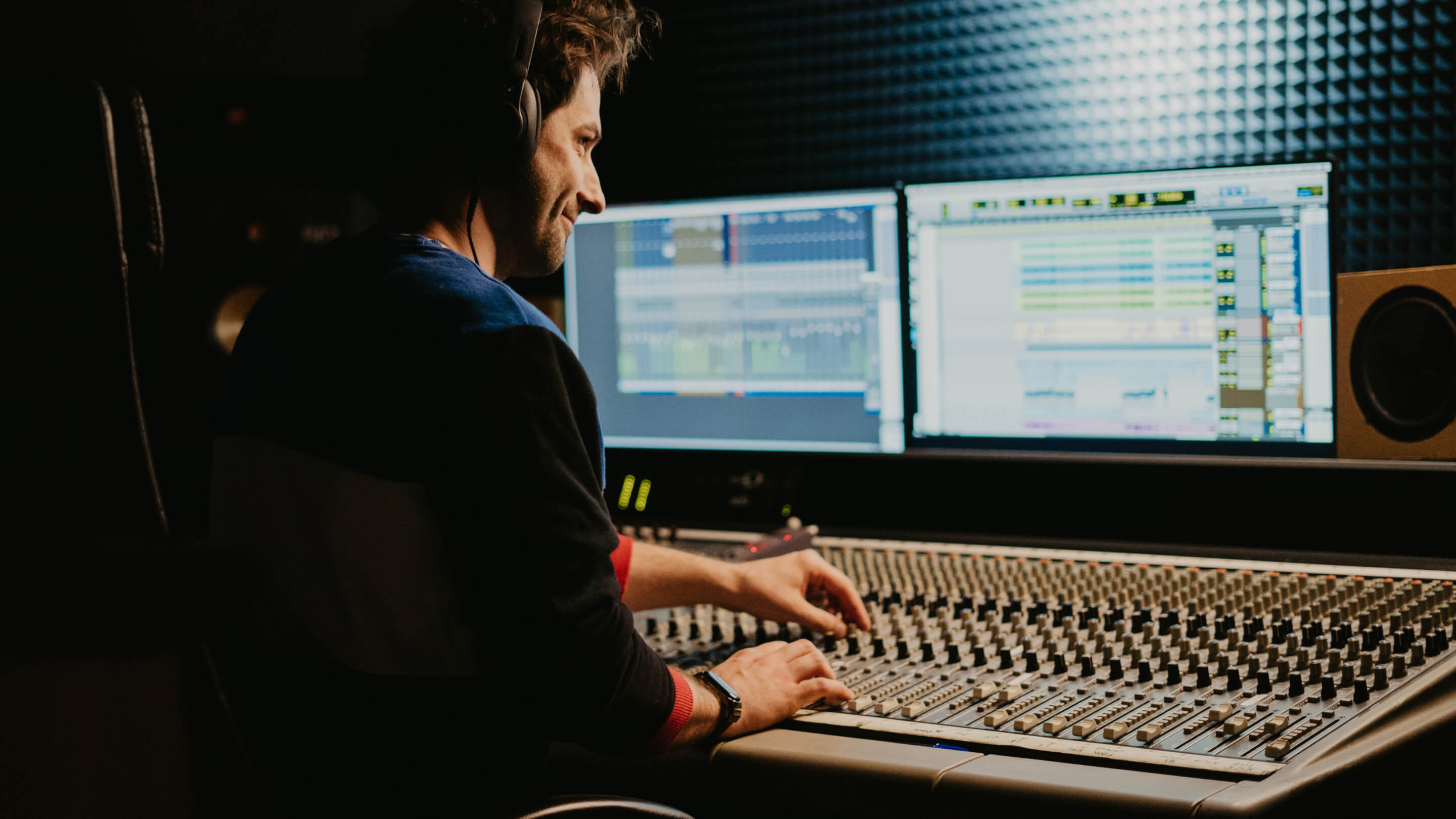
Great visuals may stop the scrolling but great sound keeps viewers watching. In this article, we explore the critical role of sound design in video production and how it shapes emotion, clarity, and overall viewer impact. From subtle ambience to cinematic sweeps, sound is where your visuals come alive.
Understanding What Sound Design Really Is
Sound design isn’t just about background music. It includes voiceovers, ambient noise, effects, transitions, and the silence between sounds. A well-designed audio layer brings rhythm and emotional texture to a video. Whether you're working on a brand film, product explainer, or social reel, good sound elevates good visuals into a full sensory experience.
How Sound Enhances Brand Identity
Sound can shape how a brand is perceived. The right sonic choices, like a warm voiceover tone, clean audio mixing, or subtle ambient effects add personality to your video. For many brands, sound becomes a signature: think sonic logos, distinctive narration styles, or custom sound beds tailored to a product’s mood and message.
Tools and Techniques for Great Audio
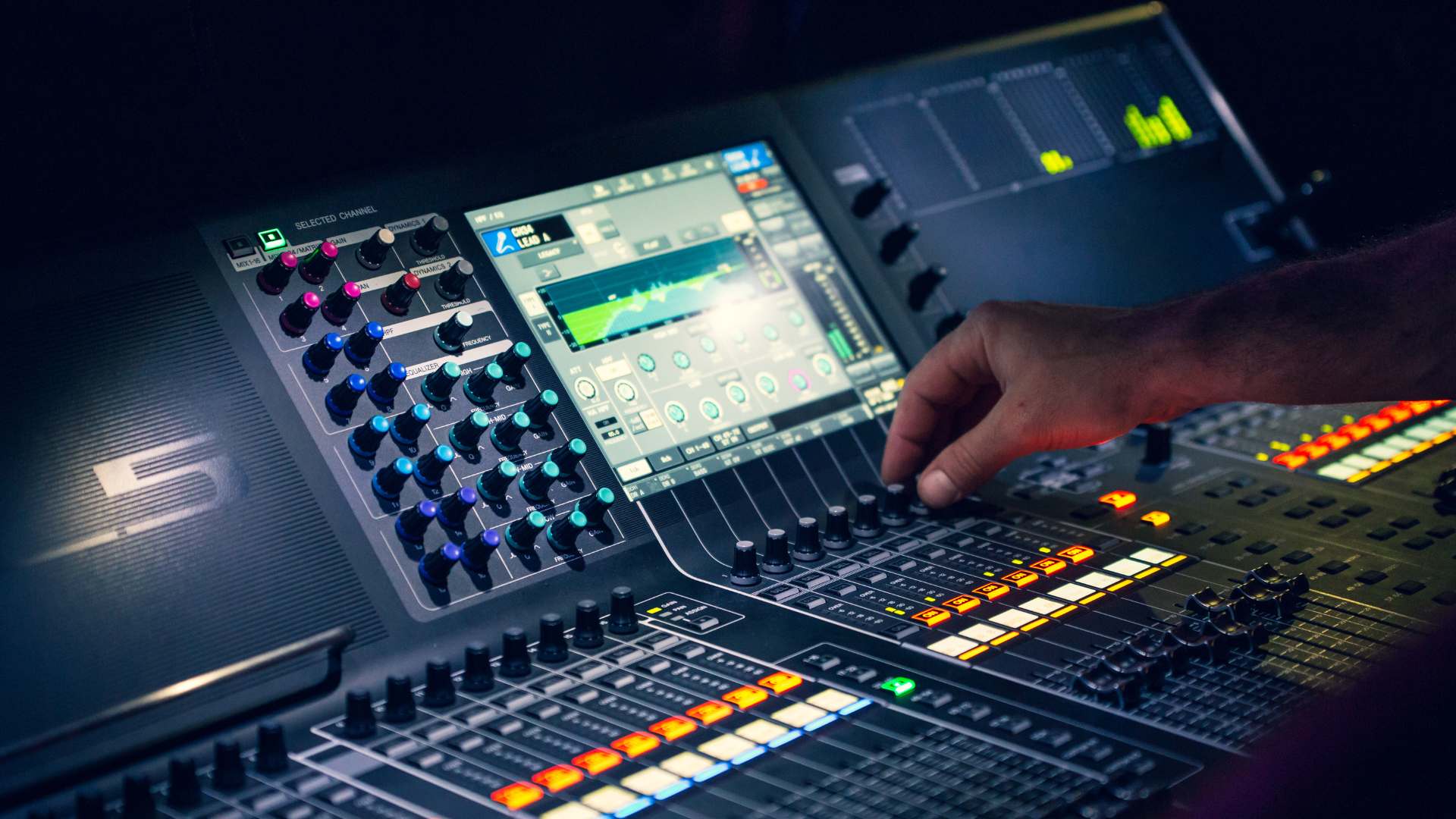
Professional sound design relies on the right tools. Software like Adobe Audition, Pro Tools, and Da Vinci Resolve Fair light allows for nuanced sound editing, layering, and mastering. Clean recording environments, high-quality microphones, and well-balanced mixing are just as important as the visuals you shoot.
The Link Between Sound and Viewer Retention
Stats show that audiences are more likely to finish a video with good audio, even if the visuals are average. On the flip side, poor sound, echo, distortion, or jarring transitions, quickly leads to drop-off. In a digital world where attention spans are short, sound is a silent persuader that keeps people engaged.
Conclusion
Sound design is not an afterthought. It's a storytelling tool in its own right. When done right, it creates emotional depth, strengthens brand recognition, and makes your content more watchable and memorable. Whether you’re producing a corporate film or a 15-second reel, never underestimate the power of what your audience hears.


.00_01_02_14.Still001.jpg)