The Importance of Grading

Intro:
Color grading is one of the final and most powerful steps in video production. It shapes mood, defines visual tone, and brings cohesion to a film’s overall look. Whether it’s a brand film or product ad, grading transforms raw footage into something cinematic, intentional, and emotionally resonant.
Why Color Grading Matters
When viewers watch a film, they rarely think about the colors but they feel them. A cool blue tone can signal calm or sterility. A warm golden hue can evoke nostalgia or luxury. Without effective color grading, even the most well-shot footage can feel flat or unfinished. Grading creates emotional depth, enhances storytelling, and ensures visual consistency across scenes and platforms.
Grading for Brand Identity
For branded content, color is more than just aesthetic, it’s strategic. A luxury skincare brand might lean into soft, desaturated palettes to feel clean and refined, while a youth-focused campaign may use bold contrasts and saturation for energy and edge. In every case, grading helps align the visuals with the brand’s tone, values, and audience expectations.

Tools and Techniques
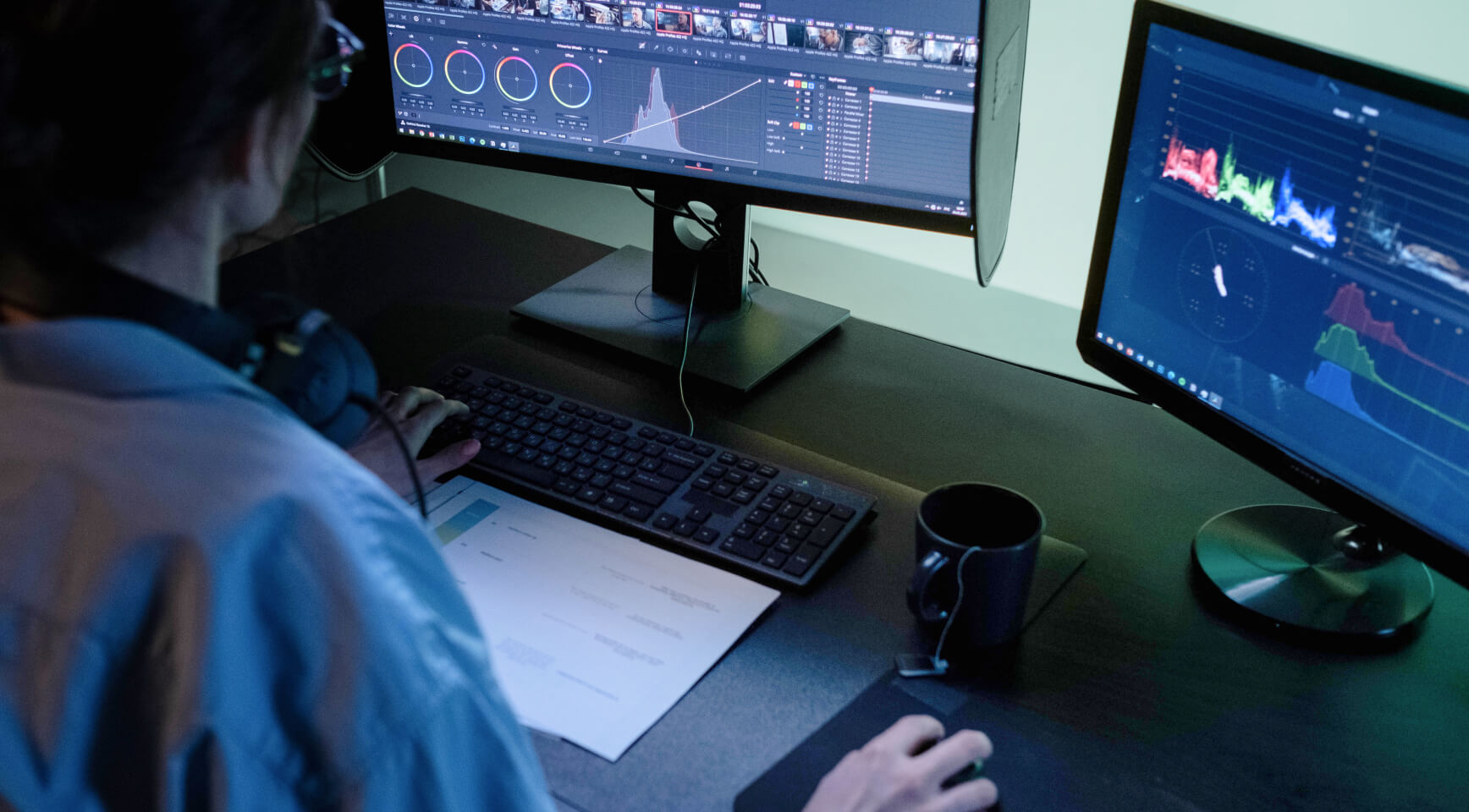
Professional color grading is typically done in programs like Da Vinci Resolve. It involves correcting footage for exposure and white balance, then enhancing it through contrast curves, color wheels, LUTs(Look-Up Tables), and selective grading techniques. We often work with DPs to build a color pipeline from the shoot itself using lighting and camera profiles designed for the final look.